Industries → Logistics
Logistics
Real-time visibility across fleets, routes, and warehouses to cut cost and delay.
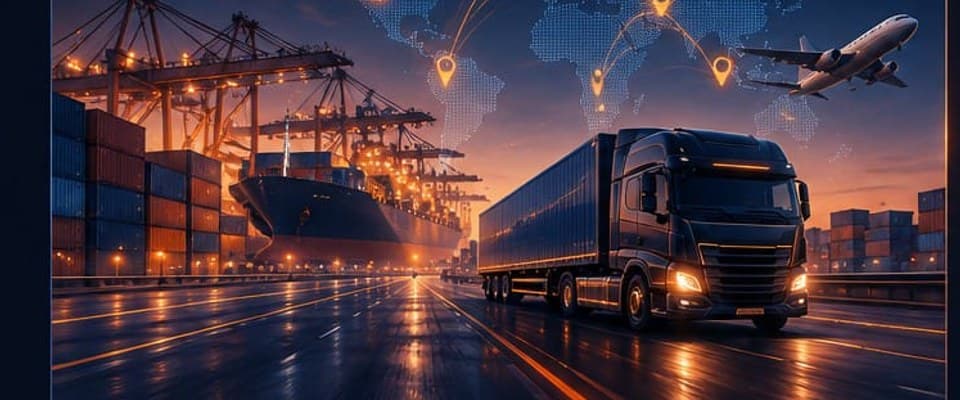
Illustrative scenario — representative outcomes, not a specific named client
Real-time
Shipment visibility
6+
Data sources unified
All
Dispatch teams onboarded
Featured use case
A problem we solved
The problem, solved
A logistics operator's dispatch team had no real-time, end-to-end view of shipments — delays were discovered by customers first. We built a live tracking pipeline from telematics and warehouse systems that gives dispatch a real-time view today.
The challenge
Fleet, route, and warehouse data lived in separate operational systems, so dispatchers and planners lacked a real-time, end-to-end view of shipments — delays were often discovered by customers before they were discovered internally.
How we transformed it
Karsient built a real-time ingestion pipeline from telematics, warehouse systems, and carrier feeds into a governed Lakehouse, powering live shipment-tracking dashboards and route-optimisation models used by dispatch teams daily.
Architecture
How data moves through a Logistics platform
Sources through to outcomes — the layers, and the live movement of data between them.
Live data flow · sources to outcomes
Benefits
What the business gained
Real-time, end-to-end shipment visibility
Route optimisation grounded in live fleet and traffic data
Warehouse analytics surfacing bottlenecks before they cause delays
A single data layer shared across dispatch, planning, and customer service
What's next
Where this is heading
The real-time tracking layer is now the foundation for predictive ETA models, giving customers proactive delay notifications instead of reactive status checks.
More industries
Where else we work
Let's talk